Alkrington
Before your appointment
Everything you need to know before you visit: what happens at your first appointment, what to bring, how reminders work and when not to wait for a routine appointment.
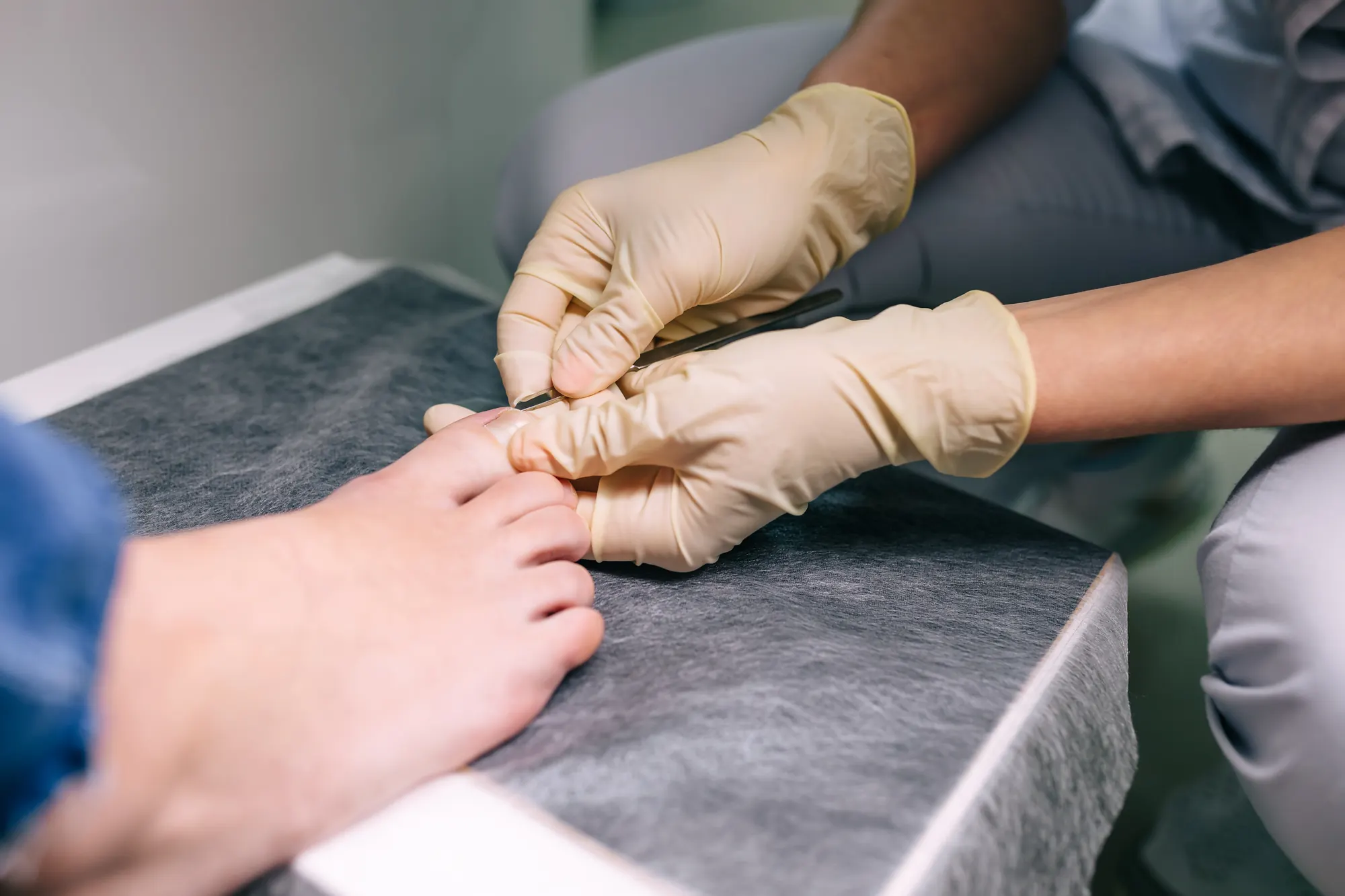
Your first appointment
About 45 minutes, with treatment on the day
We start by asking about your general health, any medicines you take, and what’s bothering your feet. Then we check your skin and nails, the circulation in your feet and how well you can feel touch, before carrying out the treatment you need. At the end, we’ll explain what we found and suggest when to come back.
What to bring
A few things that help
- A list of your medicines Including creams, inhalers and anything you buy over the counter.
- The shoes you wear most Especially for insoles, heel pain or corns that keep coming back.
- Easy-to-remove clothing Trousers that roll up to the knee are ideal.
- A parent or guardian For anyone under 16.
Reminders
A text and email before each appointment
When you book, we’ll confirm your appointment by text or email, and send a reminder before the day. These messages only ever come from Alkrington Podiatry and only ever ask you to call us if you need to change something; we’ll never ask for payment details by text or email.
If you’ve agreed to hear about news and offers, every message includes a link to stop them. You can change your choices at any time by calling or emailing us.
Cancellations
Changing or cancelling an appointment
If you need to change or cancel, please give us at least 24 hours’ notice. Missed appointments and later cancellations are charged £25.
Short-notice gaps are hard to fill, and giving notice means another patient can have the time. If something unexpected happens, call us as soon as you can.
Diabetes
Looking after your feet with diabetes
Diabetes can reduce the feeling and circulation in your feet, so a small injury can go unnoticed and heal slowly. Check your feet every day, wear well-fitting shoes, never walk barefoot, and leave corns, hard skin and difficult nails to a podiatrist. Have your feet checked at least once a year, more often if you’ve been told your feet are at increased risk.
When not to wait for a routine appointment
Get help the same day from your GP, your diabetes foot team or NHS 111 if you have diabetes and notice a new wound, blister, swelling, redness, warmth or a change in colour on your foot, or if any foot problem comes with spreading redness, a high temperature or feeling unwell. In an emergency, call 999.