top of page
Alkrington
Heel pain
The most common cause of pain under the heel is plantar heel pain (often called plantar fasciitis), where the thick band of tissue under the foot becomes irritated. It usually gets better with the right care, though it can take a few months.
Check if you have heel pain
- Pain under the heel or along the arch
- Pain that’s worst when you first stand up in the morning or after resting
- Pain that eases with gentle movement but returns after long periods on your feet
Things you can do yourself
Do
- Rest your feet when you can and avoid long walks while it’s painful
- Wear cushioned shoes with good arch support
- Stretch your calves and the soles of your feet every day
- Hold an ice pack wrapped in a towel on the heel for up to 20 minutes
Don’t
- Walk barefoot on hard floors
- Wear flat shoes, flip-flops or high heels
- Run or do high-impact exercise until it settles
Non-urgent advice: See a podiatrist if:
- the pain hasn’t improved after 2 weeks of looking after it yourself
- the pain is stopping you doing normal activities
- you have diabetes and heel pain
Urgent advice: Ask for an urgent GP appointment or get help from NHS 111 if:
- the pain is severe and started after an injury or fall
- your heel is red, hot and swollen, or you feel feverish
- you have numbness or tingling in the foot that’s getting worse
You can call 111 or get help online at 111.nhs.uk. In an emergency, call 999.
How we can help
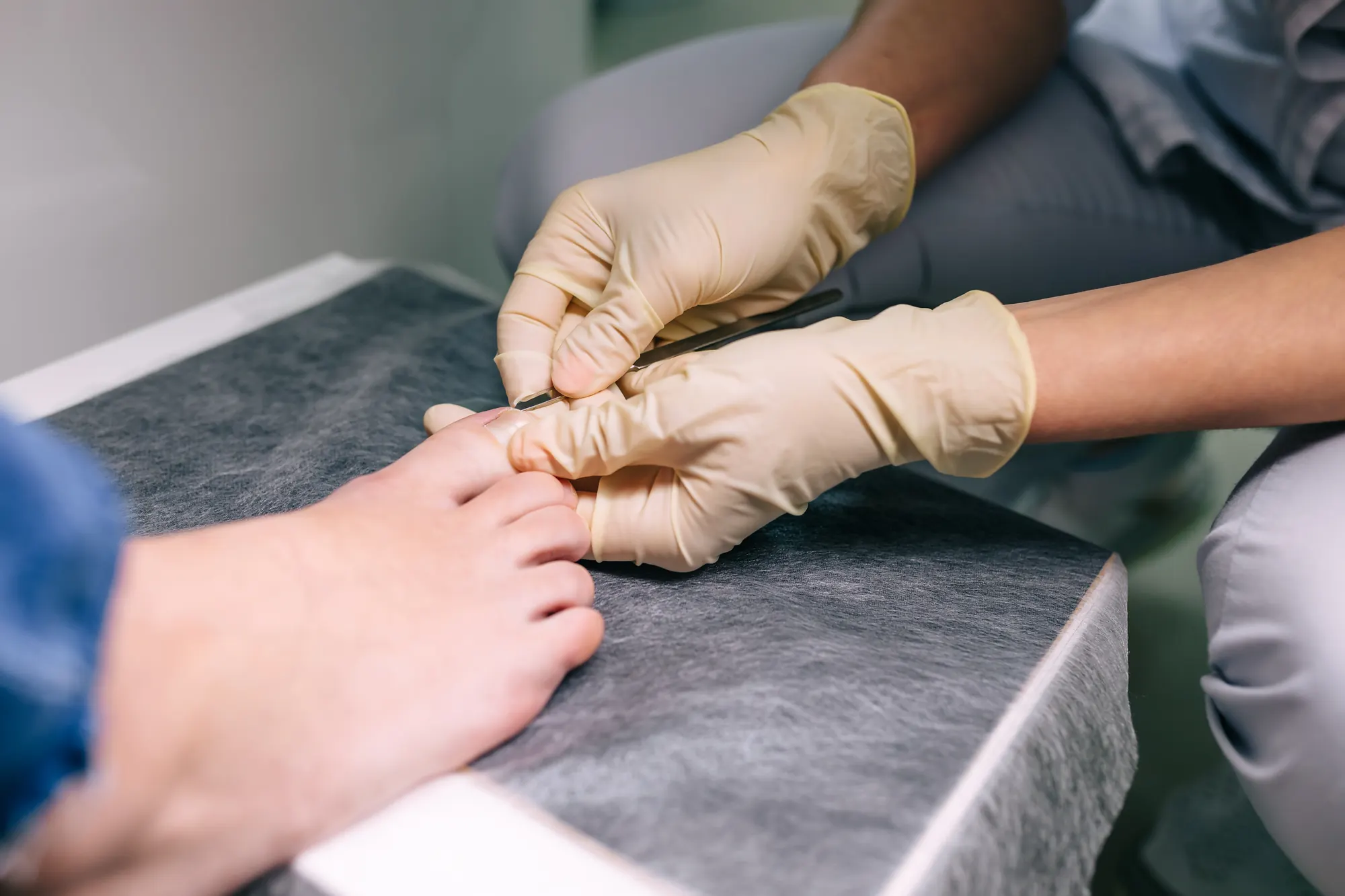
We assess your feet, footwear and the way you walk, then put together a plan that may include insoles, stretches, strapping and advice on activity.
Foot conditions
Related conditions
- Flat feet Low or fallen arches, which only need treatment if they cause pain.
- Pain in the ball of the foot Burning or aching under the toes, known as metatarsalgia.
- Bunions A bony lump at the side of the big toe joint that can rub and ache.
Podiatry
bottom of page