top of page
Alkrington
Cracked heels
Cracked heels (heel fissures) happen when the skin around the heel becomes dry and thick and splits under pressure. Shallow cracks are mostly a nuisance; deep ones can hurt, bleed and become infected.
Check if you have cracked heels
- Hard, dry, yellowish skin around the rim of the heel
- Cracks or splits in the skin, sometimes deep
- Pain when standing, or cracks that bleed
Things you can do yourself
Do
- Moisturise your heels twice a day with a urea-based foot cream
- Gently use a foot file on dry skin after bathing
- Wear closed-back shoes or trainers that support the heel
- Drink plenty of water
Don’t
- Walk barefoot or in open-backed shoes and flip-flops for long periods
- Pick or cut the cracked skin
Non-urgent advice: See a podiatrist if:
- the cracks are deep, painful or bleeding
- the skin keeps thickening despite daily cream
- you have diabetes
Urgent advice: Ask for an urgent GP appointment or get help from NHS 111 if:
- a crack becomes red, hot, swollen or weeps, especially if you have diabetes
You can call 111 or get help online at 111.nhs.uk. In an emergency, call 999.
How we can help
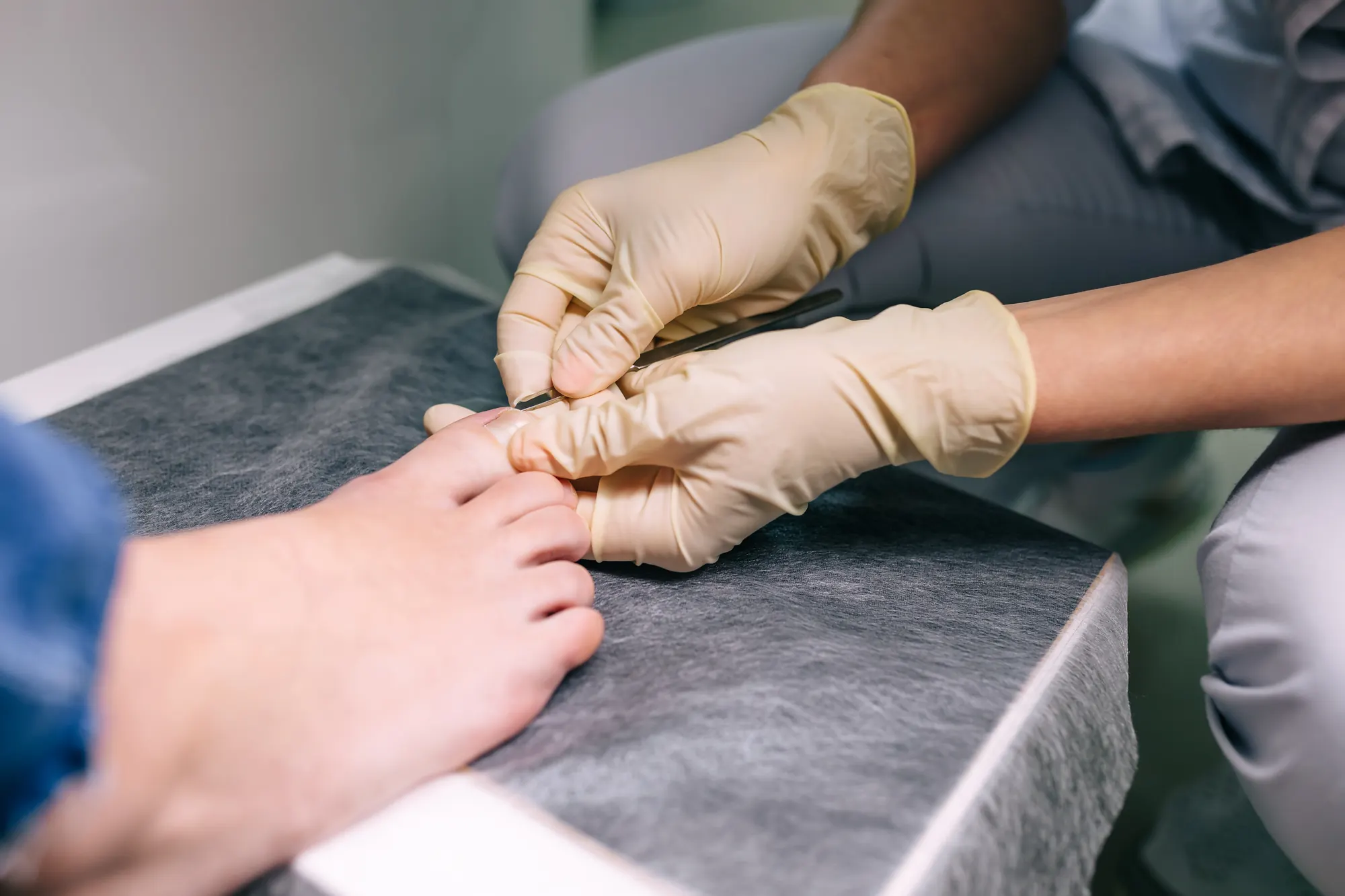
We remove the thick, hard skin around the heel so the cracks can close, and recommend the right cream and routine to stop them returning.
Foot conditions
Related conditions
- Athlete’s foot An itchy, flaky fungal rash, usually between the toes.
- Corns and calluses Hard, thickened skin where shoes or walking put pressure on the foot.
- Verruca A wart on the sole or toes, caused by a virus.
Podiatry
bottom of page