top of page
Alkrington
Corns and calluses
Corns and calluses are areas of hard, thickened skin that build up where there’s repeated pressure or rubbing. They aren’t usually serious, but they can be very painful to walk on.
Check if you have corns and calluses
- Calluses: large, rough, yellowish patches, usually on the heel or the ball of the foot
- Corns: small, hard, round lumps, often on the tops and sides of the toes
- Soft corns: white and rubbery, between the toes
- Pain when the area is pressed or when walking
Things you can do yourself
Do
- Wear comfortable shoes with room for your toes
- Soak the skin in warm water and gently use a pumice stone or foot file
- Moisturise daily with a urea-based foot cream
- Use soft padding to protect a painful corn
Don’t
- Cut or shave hard skin or corns yourself
- Use corn plasters if you have diabetes, poor circulation or fragile skin
- Walk long distances in shoes that rub
Non-urgent advice: See a podiatrist if:
- a corn or callus is painful or keeps coming back
- you have diabetes or circulation problems
- you’re not sure whether it’s a corn or a verruca
Urgent advice: Ask for an urgent GP appointment or get help from NHS 111 if:
- you have diabetes and the skin under a corn has broken, bled or looks infected
- there is redness, heat and swelling spreading from the area
You can call 111 or get help online at 111.nhs.uk. In an emergency, call 999.
How we can help
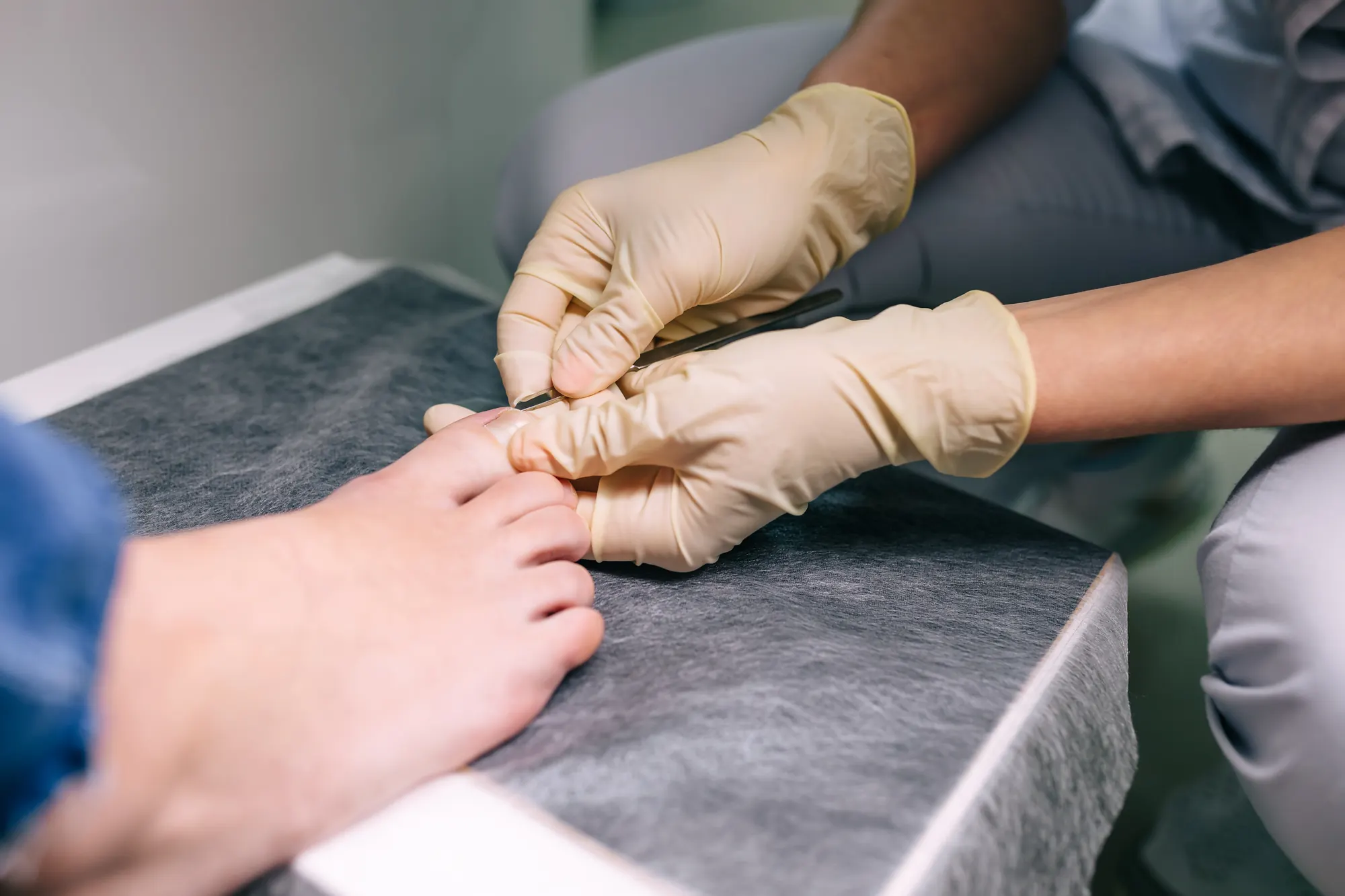
We take down hard skin and remove corns painlessly with sterile instruments, then look at what’s causing the pressure, whether that’s footwear, foot shape or the way you walk.
Foot conditions
Related conditions
- Athlete’s foot An itchy, flaky fungal rash, usually between the toes.
- Cracked heels Dry, thick skin around the heels that splits and can bleed.
- Verruca A wart on the sole or toes, caused by a virus.
Podiatry
bottom of page